Choosing the best pots for indoor plants is just as important as selecting the right plant. However, many plant owners focus only on selecting beautiful plants and forget one important factor – choosing the right planters for home. The pot you select affects drainage, root growth, maintenance, and even the overall appearance of your indoor space.
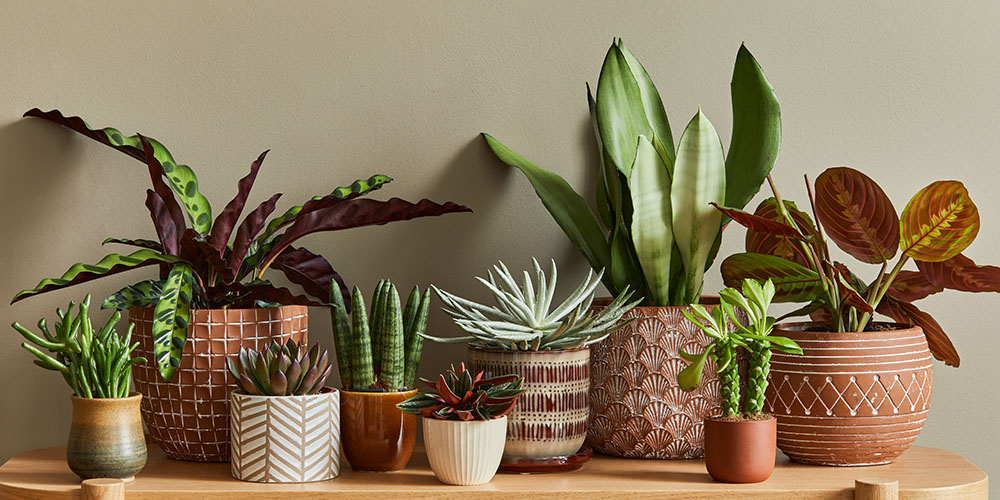
If you are wondering which pots are best for indoor plants, this guide will help you understand different types of pots, their benefits, and how to choose the right one for your plants.
Why Choosing the best pots for indoor plants matters
A good pot does much more than hold soil. It directly impacts plant health and growth. Using the wrong pot can lead to root rot, poor growth and unhealthy plants. Hear are some reasons why selecting the right pot is important.
- Helps proper root development
- Provides better drainage
- prevents overwatering issues
- Improves home aesthetics
- Makes Maintenance easier
1. Ceramic Pots – Stylish and Decorative
Ceramic Pots are among the best pots for indoor plants because they combine functionality with aesthetics. They come in glazed and unglazed varieties and are available in many colors, patterns, and finishes that match modern home interiors.
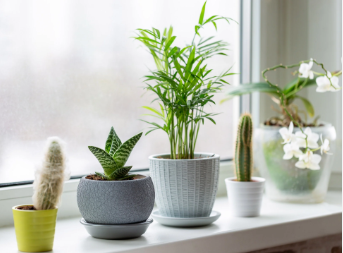
One more advantage of ceramic pots is moister retention. Since ceramic material does not dry out quickly, it helps maintain soil moisture for longer periods. This makes Ceramic Pots suitable for plant owners who may occasionally forget watering schedules.
| Advantages | Best Suits For |
| Attractive appearance | Peace Lily |
| Available in many colors and designs | Snake Plant |
| Heavy and stable for larger plants | Rubber Plant |
| Good moisture retention | Decorative indoor corners |
Things to Consider:
Choose ceramic pots with drainage holes whenever possible. Decorative ceramic containers without drainage may lead to water accumulation and root problems.
2. Plastic Pots – Affordable and Beginner Friendly
Plastic pots remain one of the best pots for indoor plants because of their affordability and convenience. They are lightweight, easy to clean, and available in almost every size imaginable. For beginners, plastic pots are often the safest starting option because they are inexpensive and easy to replace. Their lightweight nature also makes rearranging indoor spaces easier.
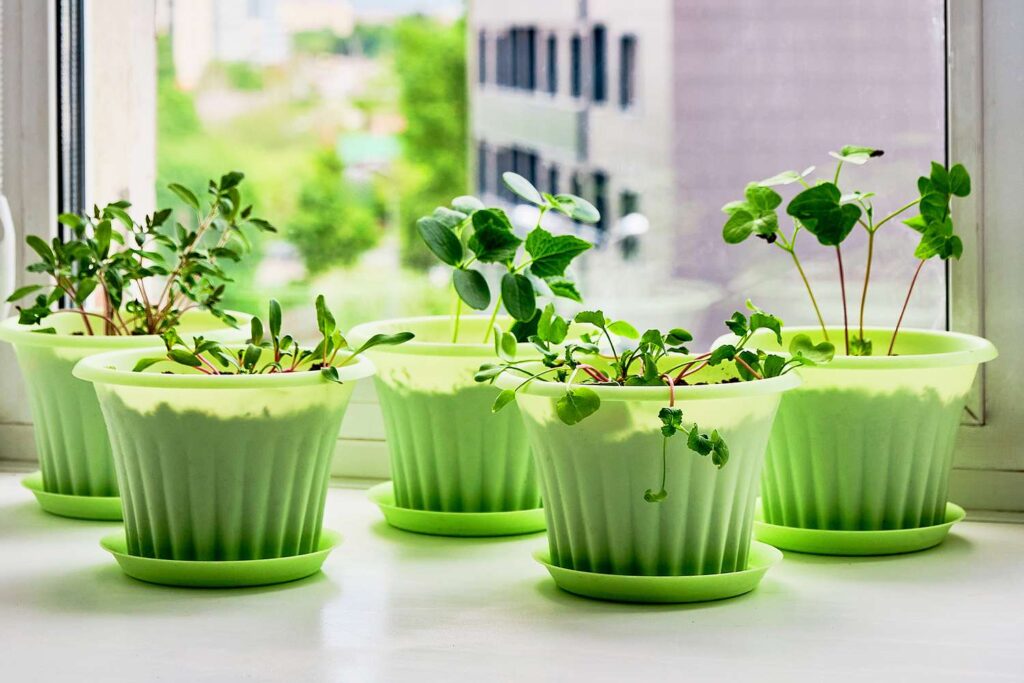
Plastic pots retain moisture longer than terracotta, which can be useful for plants that prefer consistently moist soil.
| Advantages | Best Suits For |
| Budget friendly | Money Plant |
| Lightweight and portable | Spider Plant |
| Available in many designs | Ferns & Herbs |
| Less risk of breaking | Small flowering plants |
Things to Consider:
Look for thicker plastic pots rather than thin varieties. Stronger plastic tends to last longer and supports better root growth.
3. Terracotta Pots – Great for Air Circulation
Terracotta pots are made from natural clay and are known for their porous structure. This allows air and moisture to move through the pot walls, helping roots breathe better. Because terracotta absorbs excess moisture, it reduces the risk of overwatering — one of the biggest problems for indoor gardeners.
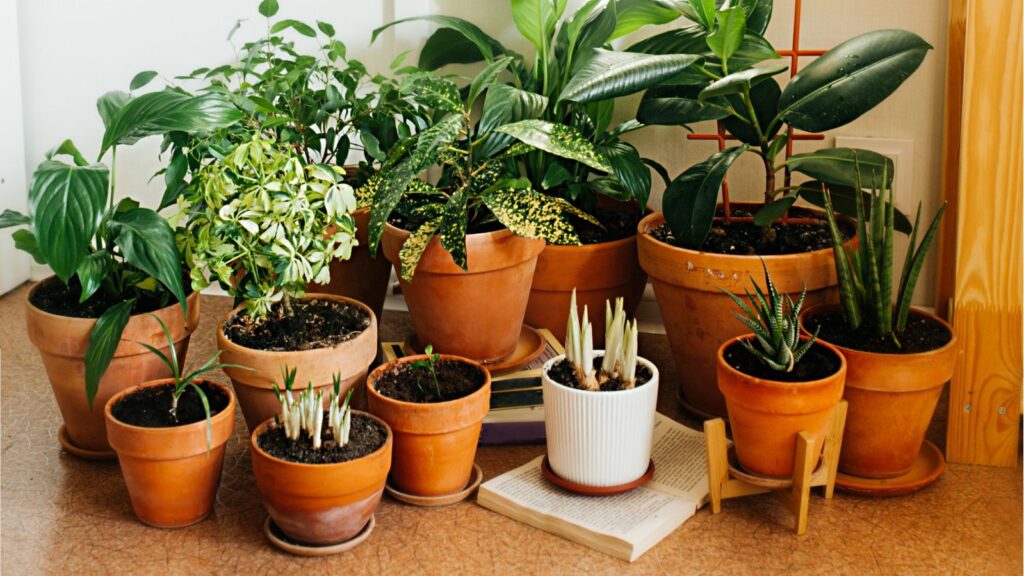
Terracotta Pots earthy appearance also makes them popular for natural and minimal home décor styles.
| Advantages | Best Suits For |
| Excellent airflow | Succulents |
| Helps prevent root rot | Cactus |
| Natural appearance | Aloe Vera |
| Eco-friendly material | Rosemary |
Things to Consider:
If using terracotta pots indoors, place trays underneath because moisture can seep through and affect furniture surfaces.
4. Self-Watering Pots – Perfect for Busy People
Self-watering pots have become increasingly popular among indoor gardeners because they simplify plant care. These pots contain a built-in water reservoir that stores extra water and gradually supplies moisture to the plant roots when needed. This design helps maintain consistent moisture levels, making self-watering pots especially useful for people who travel frequently or have busy schedules.
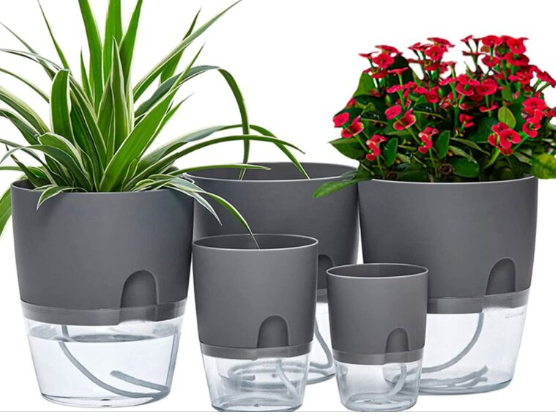
One major advantage of self-watering pots is that they reduce the chances of underwatering and overwatering. Since plants absorb water gradually, soil moisture stays more balanced compared to traditional pots.
| Advantages | Best Suits For |
| Reduces frequent watering | Peace Lily |
| Maintains stable moisture levels | Pothos |
| Useful for busy lifestyles | Calathea |
| Helps prevent accidental drying out | Herbs like Mint and Basil |
Things to Consider:
Self-Watering Pots may be more expensive than regular options, but they can save time and make indoor gardening easier for people with busy routines. “While terracotta pots prioritize airflow, self-watering pots prioritize convenience and moisture consistency.”
Final Thoughts
The best pots for indoor plants depends on your plant type, maintenance habits, and home style. Ceramic pots offer aesthetics, plastic pots provide affordability, terracotta supports healthy airflow, and self-watering pots add convenience.
selecting the best pots for indoor plants can make gardening easier and improve the health of your plants over time. Start with pots that provide good drainage, match your décor, and suit your plant’s needs. A healthy plant starts with the right foundation — and the right pot is part of that foundation.
Which pots you already had or you are going to purchase? Let me know in the comments!
You can also check the link for “Top 3 Indoor Plants for Better Air Quality”
“Join Green Sphere Foundation in building greener spaces.”
Pingback: 7 Best Fertilizers for Indoor Plants: Complete Beginner's Guide