Healthy indoor plants don’t just need sunlight and water—they also require the right nutrients to grow strong, vibrant, and disease-free. If you’ve ever noticed slow growth, yellow leaves, or weak stems, your plants may simply be lacking proper nutrition. Choosing the best fertilizers for indoor plants can make a significant difference in their overall health and appearance.
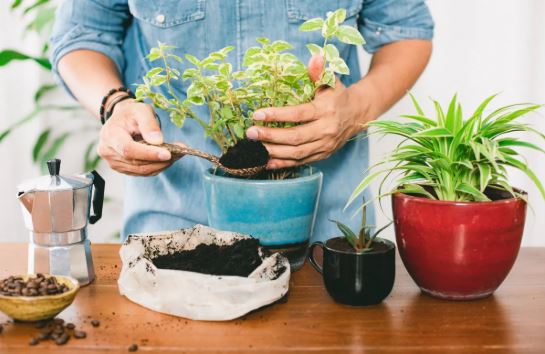
Unlike plants growing in gardens, indoor plants live in containers with a limited amount of soil. Over time, the nutrients in the potting mix become depleted as plants absorb them for growth. Without regular fertilization, even well-watered houseplants may struggle to produce healthy foliage or flowers.
In this complete guide, you’ll learn why indoor plants need fertilizer, how to identify nutrient deficiencies, the 7 best fertilizers for indoor plants, and the correct way to feed your plants for long-term success.
Why Indoor Plants Need Fertilizer?
Indoor plants depend entirely on the nutrients available in their pots. Unlike outdoor plants, they cannot extend their roots into surrounding soil to find additional nutrients. This makes regular fertilization an essential part of indoor plant care.
The three primary nutrients every plant needs are:
Nitrogen (N): Encourages lush green leaves and healthy stem growth.
Phosphorus (P): Supports strong root development, flowering, and fruit production.
Potassium (K): Improves disease resistance, strengthens stems, and enhances overall plant health.
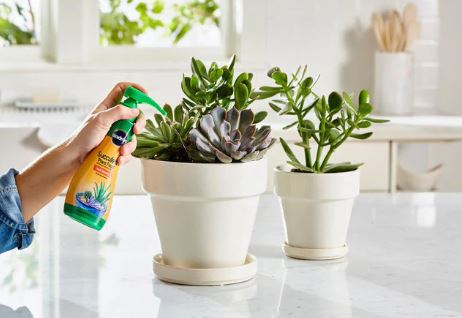
Besides these primary nutrients, plants also require calcium, magnesium, sulfur, iron, zinc, and several micronutrients in small amounts.
Providing the right fertilizer ensures your indoor plants receive a balanced supply of nutrients throughout the growing season.
Signs Your Indoor Plants Need Fertilizer
Plants often communicate when they are lacking nutrients. Watch for these common signs:
- Yellowing leaves despite proper watering
- Slow or stunted growth
- Small new leaves
- Weak stems
- Pale green foliage
- Fewer flowers or no blooms
- Leaves dropping unexpectedly
- Poor root development
If you notice several of these symptoms, it may be time to begin a regular fertilizing routine.
7 Best Fertilizers for Indoor Plants
1. Compost
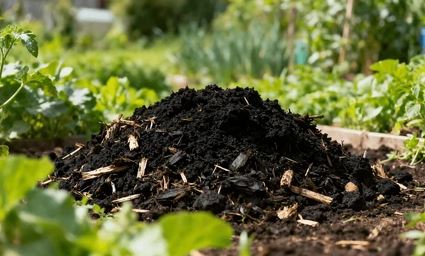
Compost is one of the most natural and environmentally friendly fertilizers available. Rich in organic matter, it improves soil structure while slowly releasing nutrients over time.
Benefits
- Improves soil fertility
- Encourages beneficial microorganisms
- Increases moisture retention
- Safe for most houseplants
Best for:
Snake Plant, Peace Lily, Spider Plant, Pothos, ZZ Plant.
2. Vermicompost (Worm Castings)
Vermicompost is produced by earthworms and is considered one of the finest organic fertilizers.
Benefits
- Rich in beneficial microbes
- Promotes healthy root growth
- Enhances leaf color
- Improves soil aeration
It is gentle enough for beginners and can be mixed into the top layer of soil every few months.
3. Liquid Fertilizer
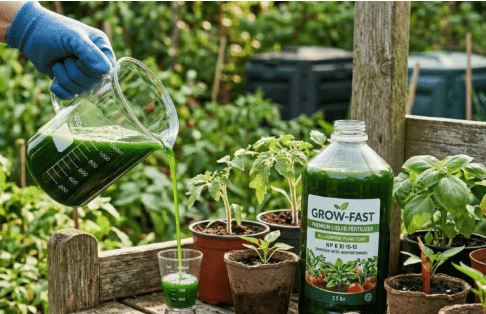
Liquid fertilizers are quickly absorbed by plant roots, making them ideal for actively growing indoor plants.
Benefits
- Fast nutrient absorption
- Easy to apply
- Suitable for regular feeding
- Encourages rapid growth
Always dilute according to the manufacturer’s instructions to avoid over-fertilization.
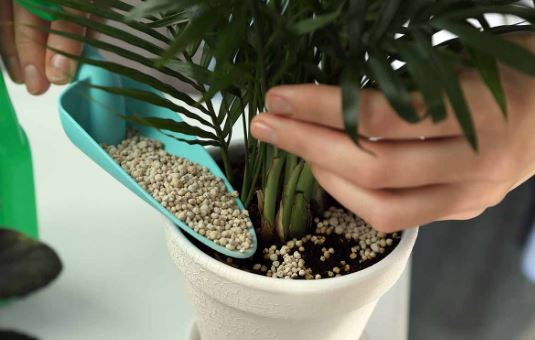
4. Slow-Release Granules
Slow-release fertilizers gradually release nutrients over several months, making them ideal for busy plant owners.
Benefits
- Long-lasting nutrition
- Less frequent application
- Consistent nutrient supply
- Convenient for beginners
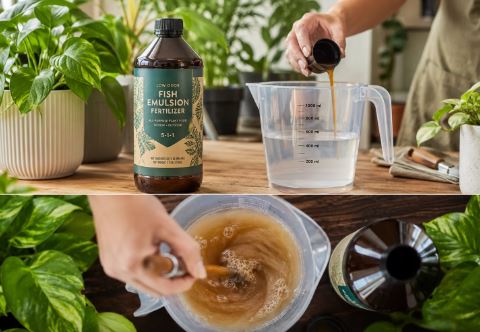
5. Fish Emulsion
Fish emulsion is a natural liquid fertilizer made from processed fish by-products.
Benefits
- High nitrogen content
- Encourages leafy growth
- Improves soil biology
- Organic and environmentally friendly
Although it has a strong smell initially, it becomes highly effective after dilution.
6. Seaweed Fertilizer
Seaweed fertilizer contains trace minerals, vitamins, and natural plant hormones that stimulate healthy growth.
Benefits
- Strengthens roots
- Reduces transplant shock
- Improves disease resistance
- Promotes healthier foliage
Seaweed fertilizer works especially well when combined with compost.
7. Balanced NPK Fertilizer (10-10-10 or 20-20-20)
Balanced NPK fertilizers provide equal amounts of Nitrogen, Phosphorus, and Potassium.
Benefits
- Supports overall plant growth
- Encourages healthy roots
- Promotes greener leaves
- Suitable for many indoor plants
Always follow the recommended dosage to avoid fertilizer burn.
Organic vs Chemical Fertilizers
Both organic and chemical fertilizers have their advantages.
Organic Fertilizers
Examples include compost, vermicompost, fish emulsion, and seaweed fertilizer.
| Advantages | Disadvantages |
| Environmentally friendly | Slow nutrient release |
| Improves soil quality | Results may take longer |
| Safe for long-term use | |
| Supports beneficial microorganisms |
Chemical Fertilizers
Examples include balanced NPK fertilizers and water-soluble plant food.
| Advantages | Disadvantages |
| Immediate Nutrient availability | Risk of over-fertilization |
| Quick Plant Response | Can damage roots if overused |
| Easy to Measure | Does not improve soil structure |
For most home gardeners, combining organic fertilizers with occasional balanced liquid feeding provides excellent long-term results.
How Often Should You Fertilize Indoor Plants?
The fertilizing schedule depends on the plant species, season, and growth stage.
Spring and Summer
Feed actively growing plants every two to four weeks using a diluted liquid fertilizer or according to the product instructions.
Autumn
Reduce fertilization as plant growth naturally slows.
Winter
Most indoor plants enter a resting period and require little or no fertilizer.
Always water the soil before applying fertilizer to reduce the risk of root burn.
Common Fertilizing Mistakes
Avoid these common mistakes to keep your plants healthy.
Over-Fertilizing
Too much fertilizer can burn roots and damage leaves.
Fertilizing Dry Soil
Always water the soil before feeding your plants.
Feeding Dormant Plants
Plants grow slowly during winter and generally require less fertilizer.
Ignoring Product Instructions
More fertilizer does not mean faster growth. Follow the recommended dosage.
Using Garden Fertilizer Indoors
Choose fertilizers specifically designed for container-grown or indoor plants whenever possible.
Final Thoughts
Choosing the best fertilizers for indoor plants is one of the most important steps toward maintaining lush, healthy, and vibrant houseplants. While watering and sunlight are essential, plants also need a steady supply of nutrients to support healthy leaves, strong roots, and consistent growth.
For beginners, organic fertilizers such as compost and vermicompost are excellent starting points because they are safe, environmentally friendly, and improve soil health over time. Liquid fertilizers and balanced NPK fertilizers can provide additional nutrition during active growing seasons when used correctly.
With the right care, proper watering, suitable containers, and regular fertilization, your indoor plants can thrive for years while enhancing the beauty and freshness of your home.
Tools That Can Help
Watering cans with narrow spouts
Spray bottles for humidity-loving plants
If you’re building your indoor garden, don’t forget to explore our other guides on
Best Pots for Indoor Plants
How Often Should You Water Indoor Plants?
Top 5 Low Maintenance Indoor Plants for Beginners and
Top 3 Indoor Plants for Better Air Quality to learn even more about keeping your houseplants healthy.
“Join Green Sphere Foundation in building greener spaces.”