Choosing the best soil mixes for indoor plants is one of the most important steps in creating a healthy and thriving indoor garden. While many people focus on watering schedules, fertilizers, and sunlight, the soil itself plays a vital role in supporting root growth, supplying nutrients, and maintaining the right balance of air and moisture.
Unlike plants grown in gardens, indoor plants rely entirely on the potting mix inside their containers. Over time, the soil can become compacted, lose nutrients, or retain too much water, making it difficult for roots to grow properly. The best soil mixes for indoor plants absorb water efficiently, prevents root rot, and encourages strong, healthy growth.
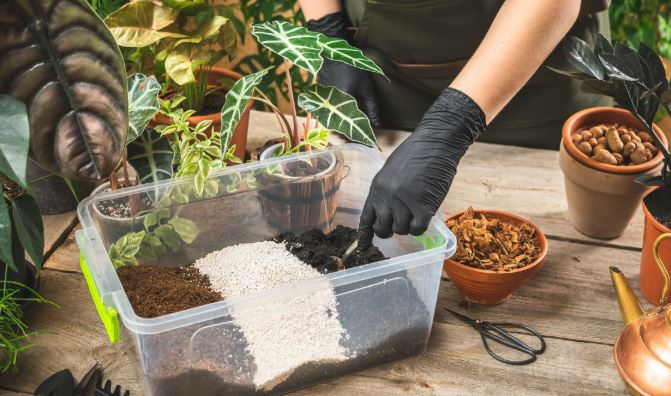
In this complete guide, you’ll learn why soil quality matters, the essential ingredients of a good potting mix, the 7 best soil mixes for indoor plants, a simple DIY recipe, common soil problems, and expert tips to keep your houseplants healthy throughout the year.
Why Soil Matters for Indoor Plants
Healthy soil is much more than just a medium that holds a plant upright. It acts as a support system that provides water, oxygen, and nutrients while allowing roots to expand and develop properly.
Provides Essential Nutrients
Good-quality potting soil contains organic matter and minerals that supply plants with nutrients such as nitrogen, phosphorus, and potassium. These nutrients promote green leaves, healthy roots, and strong stems. As nutrients are gradually used by the plant, they should be replenished through fertilizers or fresh potting mix.
Improves Water Retention
Best soil mixes for indoor plants stores enough moisture to keep roots hydrated without becoming waterlogged. This balance is especially important for indoor plants because excessive moisture can lead to fungal diseases and root rot.
Promotes Healthy Root Growth
Loose, well-aerated soil allows roots to spread easily in search of water and nutrients. Healthy roots are the foundation of healthy plants and help improve resistance to pests, diseases, and environmental stress.
Enhances Drainage
Good drainage prevents excess water from collecting around the roots. Soil ingredients such as perlite and coarse sand create air pockets that improve drainage and reduce the risk of root damage.
Supports Beneficial Microorganisms
Healthy potting mixes often contain organic materials that encourage beneficial bacteria and fungi. These microorganisms help break down organic matter into nutrients that plants can absorb more efficiently.
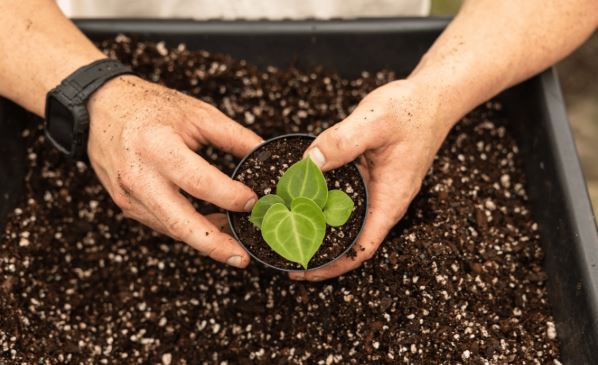
Essential Ingredients of a Good Potting Mix
Understanding the purpose of each ingredient makes it easier to choose or prepare the best soil mixes for indoor plants.
Peat Moss or Coco Coir
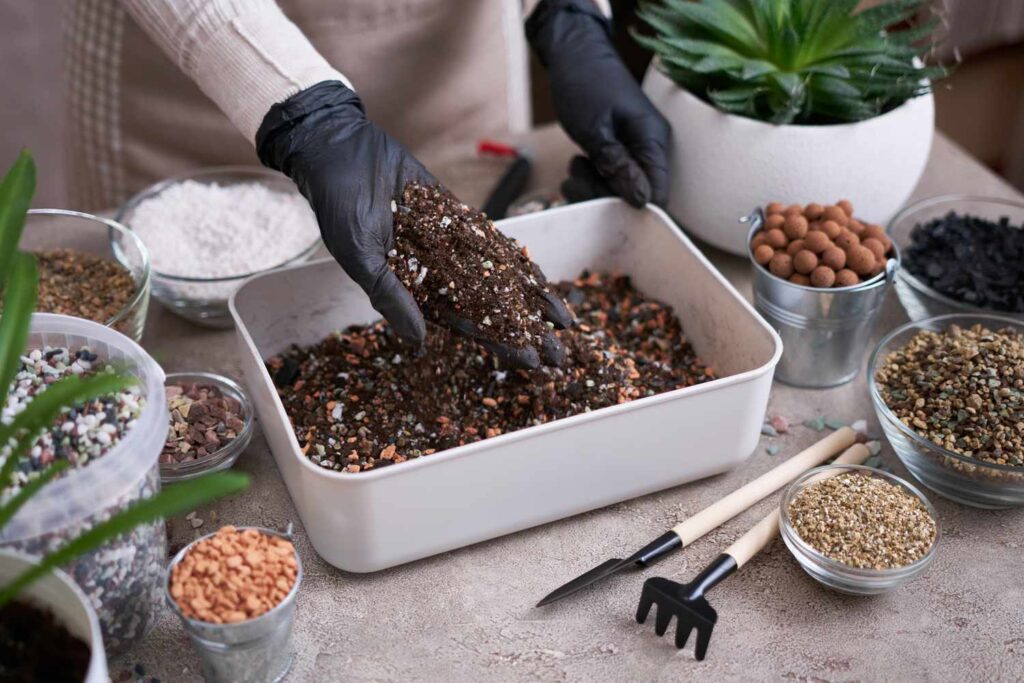
Peat moss and coco coir form the base of most potting mixes because they retain moisture while still allowing air to reach the roots. Coco coir is often preferred today as a more sustainable, renewable alternative to peat moss, and it rehydrates easily after drying out.
Perlite
Perlite is a lightweight volcanic mineral that looks like small white foam beads. It creates air pockets in the soil, improves drainage, and prevents compaction, making it essential for plants that are sensitive to overwatering.
Vermiculite
Vermiculite is similar to perlite but holds more moisture. It’s especially useful for plants that prefer consistently damp soil, such as ferns and peace lilies, since it releases water slowly back to the roots.
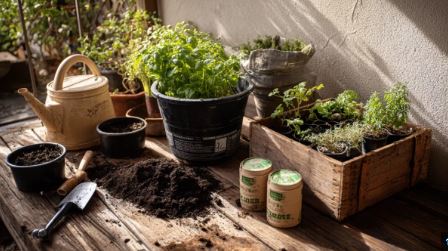
Compost or Worm Castings
Compost and worm castings add organic nutrients and beneficial microbes to the soil. They improve overall soil structure and provide a slow, steady nutrient supply that supports long-term plant health.
Bark or Wood Chips
Fir bark, orchid bark, or wood chips increase drainage and airflow within the mix. They’re particularly important for plants with thick, sensitive roots, such as orchids and aroids like monstera and philodendron.
Sand (Coarse, Horticultural Grade)
Coarse sand improves drainage and adds weight to the mix, which is helpful for top-heavy plants or succulents that need soil to dry out quickly between waterings.
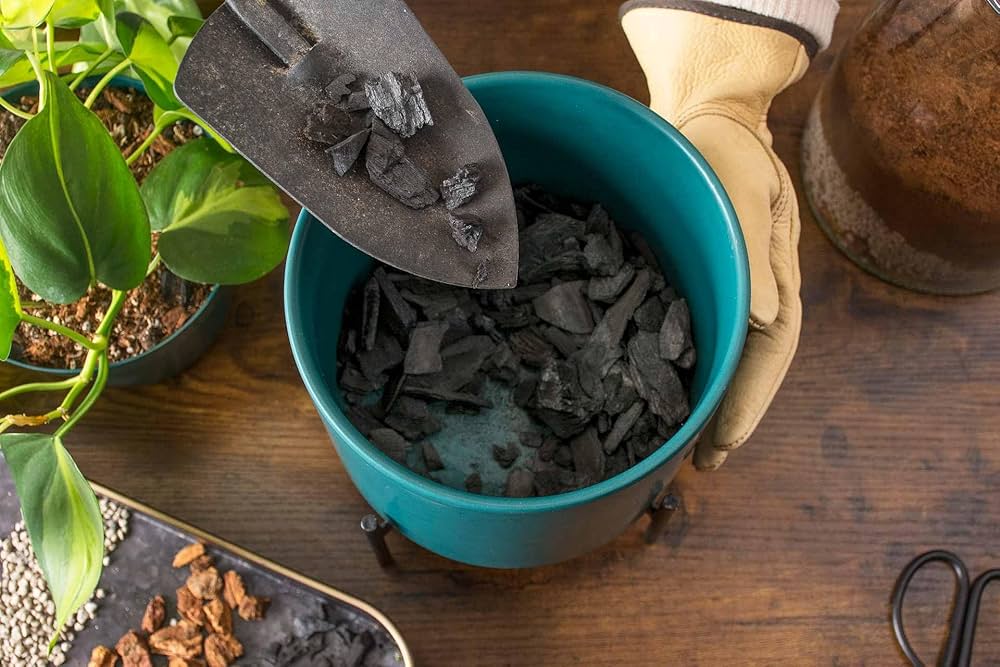
Activated Charcoal
Activated charcoal helps filter impurities, controls odor, and prevents bacterial or fungal buildup in the soil. It’s commonly added to mixes for terrariums and moisture-loving plants.
7 Best Soil Mixes for Indoor Plants
Different indoor plants have different soil needs. Here are the best soil mixes for indoor plants to match your houseplants with the right growing conditions.
1. All-Purpose Potting Mix
An all-purpose potting mix is the most versatile option and works well for a wide range of common houseplants, including pothos, spider plants, and philodendrons. It typically combines peat moss or coco coir, perlite, and compost to create a balanced blend that retains moisture while still draining well. This is the best starting point for beginners who want one reliable mix for most of their indoor plant collection.
Best for: Pothos, spider plants, philodendron, dracaena, ZZ plants
2. Succulent and Cactus Mix
Succulents and cacti are adapted to arid environments and need soil that drains extremely fast. A good succulent mix combines coarse sand, perlite, and a small amount of potting soil to prevent water from sitting around the roots, which is the leading cause of succulent root rot.
Best for: Cacti, jade plant, aloe vera, echeveria, haworthia
3. Orchid Mix
Orchids don’t grow in traditional soil at all. Instead, they need a chunky, airy mix made of fir bark, sphagnum moss, and perlite that mimics their natural habitat growing on trees. This mix allows maximum airflow around the roots while still holding enough moisture to prevent dehydration.
Best for: Phalaenopsis, dendrobium, cattleya orchids
4. African Violet Mix
African violets and similar fuzzy-leaved plants need a lightweight, well-draining mix that holds moisture without becoming soggy. This mix usually combines peat moss or coco coir with perlite and vermiculite in equal parts, giving roots the fine, fluffy texture they prefer.
Best for: African violets, gloxinia, other Gesneriads
5. Aroid Mix
Aroids such as monstera, philodendron, and anthurium thrive in chunky, well-aerated soil that replicates the loose forest floor they grow in naturally. A good aroid mix blends orchid bark, perlite, coco coir, and charcoal to promote strong root development and prevent moisture buildup around thick aerial roots.
Best for: Monstera, anthurium, philodendron, pothos, alocasia
6. Seed Starting Mix
Seed starting mixes are finer and lighter than regular potting soil, allowing delicate seedlings to push through easily. These mixes are typically sterile, low in nutrients, and made from fine peat moss or coco coir combined with perlite or vermiculite to support gentle, even moisture without smothering new roots.
Best for: Starting seeds, propagating cuttings, young seedlings
7. Moisture-Retentive Mix
Some indoor plants prefer consistently moist (but not soggy) soil. A moisture-retentive mix uses a higher ratio of peat moss, coco coir, or vermiculite to hold water longer, which is ideal for plants that wilt quickly when the soil dries out.
Best for: Ferns, peace lily, calathea, prayer plants
DIY Indoor Plant Soil Mix Recipe
If you prefer to make the best soil mixes for indoor plants on your own at home, this simple all-purpose recipe works well for most common houseplants:
- 2 parts coco coir or peat moss
- 1 part perlite
- 1 part compost or worm castings
- A handful of activated charcoal (optional, for freshness)
Mix all the ingredients thoroughly in a large container until evenly combined. Store any extra mix in a sealed container or bag to keep it fresh and free of pests. For succulents or orchids, adjust the recipe using the ratios described in their specific soil mixes above.
Expert Tips for Healthy Indoor Plant Soil
- Repot every 12–18 months. Fresh soil replenishes nutrients and prevents compaction over time.
- Match the mix to the plant. Succulents, orchids, and moisture-loving plants each need very different soil structures.
- Always use pots with drainage holes. Even the best soil mix can’t compensate for water that has nowhere to go.
- Avoid reusing old soil without amending it. Refresh depleted soil with compost, perlite, or fresh organic matter before reusing it.
- Water based on soil dryness, not a fixed schedule. Check the top inch of soil before watering to avoid over- or under-watering.
Final Thoughts
Best Soil Mixes for Indoor Plants is one of the simplest ways to set up for long-term success. Whether you choose a ready-made all-purpose mix or create your own DIY blend, matching the soil composition to your plant’s specific needs will lead to stronger roots, healthier growth, and fewer common problems like root rot or nutrient deficiency. With the right foundation in place, your indoor garden will be far easier to maintain and enjoy year-round.
Best Soil Mixes For Indoor Plants online
- Potting Soil Mix
- Cactus and Succulents Potting Soil Mix
- Orchid Potting Soil Mix
- Premium Aroid Potting Soil Mix
If you’re building your indoor garden, don’t forget to explore our other guides on
Best Pots for Indoor Plants
How Often Should You Water Indoor Plants?
Top 5 Low Maintenance Indoor Plants for Beginners and
Top 3 Indoor Plants for Better Air Quality to learn even more about keeping your houseplants healthy.
“Join Green Sphere Foundation in building greener spaces.”