One of the most common questions asked by the new plant owners is how often should you water indoor plants? . While watering may seem simple, it is actually one of the most important aspects of plant care. Giving too much or too little water can affect plant growth and even lead to plant death.
The truth is that there is no single watering schedule that works for every indoor plant. Different plants have different water requirements based on their species, pot size, soil type, location, and weather conditions.
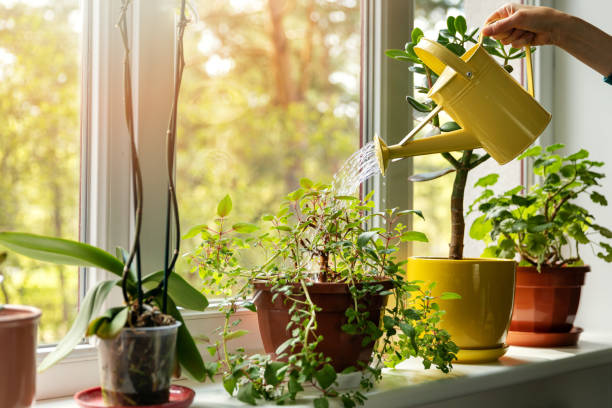
In this guide, you’ll learn how often should you water indoor plants, how to recognize watering problems, and how to develop the right watering routine.
Why Proper Watering Is Important
Water plays a vital role in plant growth. It helps transport nutrients from the soil to different parts of the plant and supports photosynthesis.
Proper watering helps:
- Maintain healthy roots
- Encourage plant growth
- Prevent leaf damage
- Improve flowering and foliage
- Increase plant lifespan
When plants receive the right amount of water, they grow stronger and healthier.
There Is No Universal Watering Schedule
Many beginners make the mistake of watering all plants on the same day every week. However, different indoor plants have different needs.
Factors that affect watering frequency include:
- Plant species
- Pot size
- Type of soil
- Indoor temperature
- Humidity levels
- Season of the year
- Amount of sunlight received
Because of these factors, it is better to check the soil before watering rather than following a strict schedule.
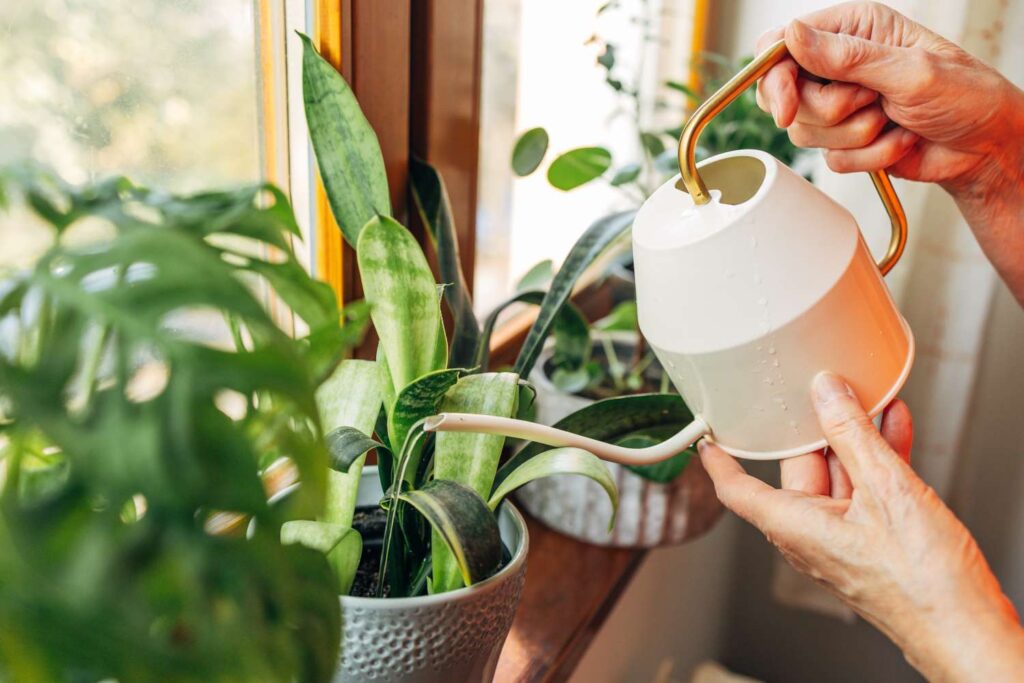
How Often Should You Water Indoor Plants?
Snake Plant
Snake plants are drought-tolerant and prefer dry soil.
Recommended watering:
– Every 10 to 14 days
– Less frequently during winter
Overwatering is one of the biggest causes of snake plant problems.
Money Plant
Money plants enjoy slightly moist soil.
Recommended watering:
– Every 5 to 7 days
– Water when the top inch of soil feels dry
Peace Lily
Peace lilies prefer consistently moist soil.
Recommended watering:
– Once or twice a week
– Increase watering during hot weather
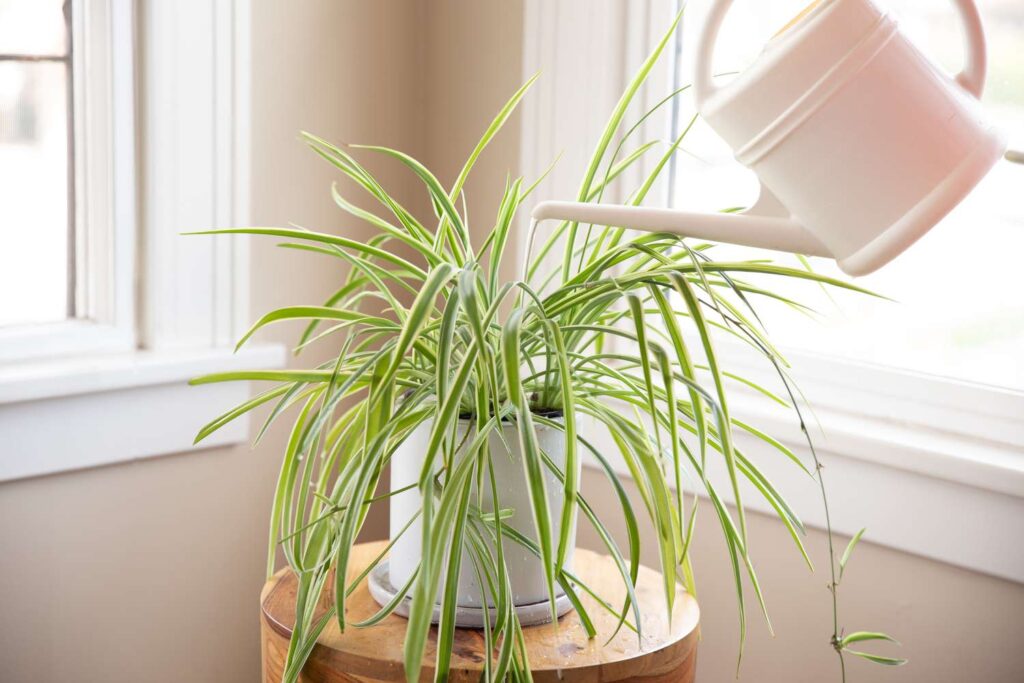
Spider Plant
Spider plants like moderate moisture.
Recommended watering:
– Every 5 to 7 days
– Allow top soil to dry slightly before watering
ZZ Plant
ZZ plants store water in their roots and require very little watering
Recommended watering:
– Every 2 to 3 weeks
– Ensure soil dries completely between watering sessions
How to Know How Often Your Plant Needs Water
Instead of relying on a calendar, learn to observe your plants.
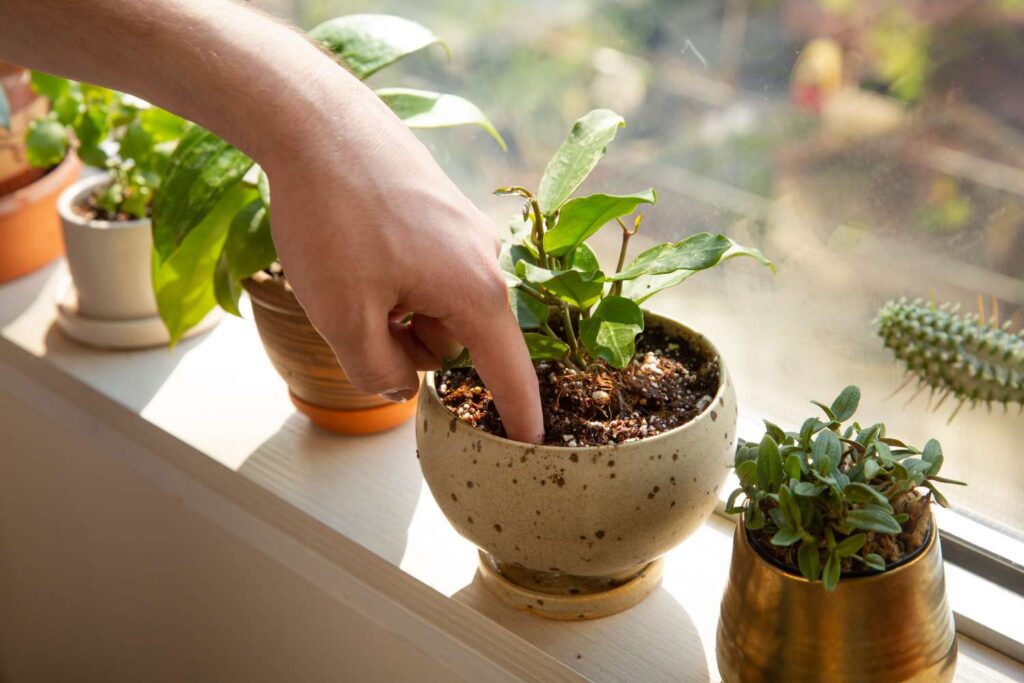
Check the Soil
Insert your finger about one inch into the soil. If the soil feels:
- Dry → Water the plant
- Slightly moist → Wait another day or two
- Wet → Do not water
This simple technique works for most indoor plants.
Observe the Leaves
Plants often show signs when they need water.
| Signs of underwatering: | Signs of overwatering: |
| Drooping leaves | Yellow leaves |
| Dry leaf edges | Mushy stems |
| Slow growth | Root rot |
| Dry soil pulling away from the pot | Mold growth on soil |
Common Watering Mistakes Beginners Make
Watering on a Fixed Schedule
Plants do not always need water on the same day every week. Environmental conditions constantly change.
Overwatering
This is the most common mistake among new plant owners. Many people assume more water means healthier plants, but excess water can suffocate roots.
Using Pots Without Drainage Holes
Drainage holes allow excess water to escape and help prevent root rot.
Ignoring Seasonal Changes
Plants generally need less water during winter and more during summer.
Best Time to Water Indoor Plants
Morning is usually the best time to water indoor plants. Benefits of morning watering:
- Allows plants to absorb moisture throughout the day
- Reduces risk of fungal problems
- Supports healthy root function
Avoid watering late at night unless necessary.
Tips for Developing a Good Watering Routine
- Check soil moisture before watering
- Use pots with drainage holes
- Adjust watering according to seasons
- Avoid letting plants sit in standing water
- Group plants with similar watering needs together
Following these habits will make plant care easier and more effective.
Tools That Can Help
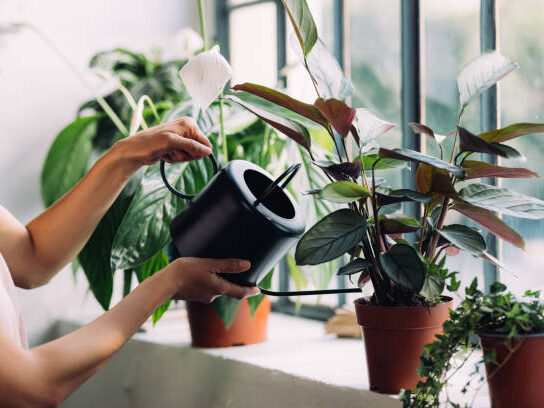
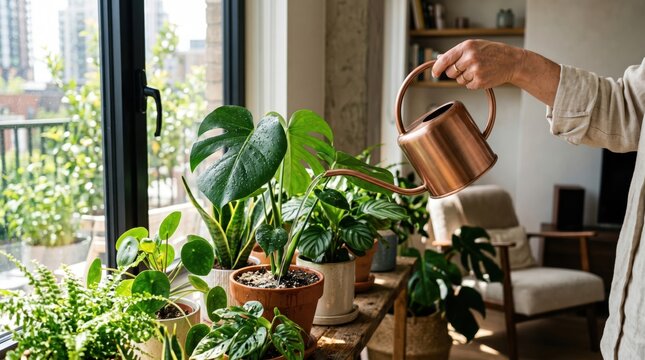
Several simple tools can help maintain proper watering habits:
Watering cans with narrow spouts
Spray bottles for humidity-loving plants
These tools can be especially useful for beginners who are still learning plant care.
Final Thoughts
If you’re still wondering how often should you water indoor plants, remember there isn’t a single schedule that works for every plant The best approach is to understand your plant’s specific needs and regularly check soil moisture levels.
Snake plants and ZZ plants require very little water, while peace lilies and money plants may need more frequent attention. By observing your plants and avoiding common mistakes, you can keep your indoor garden healthy and thriving.
Remember, when it comes to watering indoor plants, it is usually safer to water slightly less than to overwater. With practice and observation, you will quickly develop a routine that works for both you and your plants.
Also read “Terrace Gardening for Beginners : How to Grow Plants on Your Rooftop“
“Join Green Sphere Foundation in building greener spaces.”
Recommended to Purchase:
Pingback: 7 Best Fertilizers for Indoor Plants: Complete Beginner's Guide